Auctions Have Changed
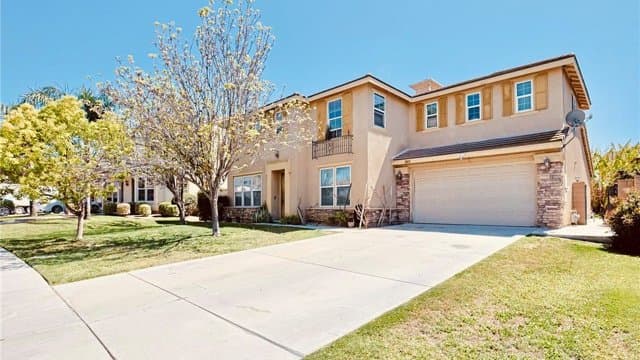
Mention a real estate auction and many people picture a courthouse step and a distressed property. That image is outdated. Today, owners of well-maintained, move-in-quality homes also use auctions because they offer a clear process and a price set by the market. 12657 Burbank Road in Eastvale is offered this way: a premium, non-distressed home presented through a transparent online auction.
What Makes an Auction Transparent
Transparency is the core idea. In a well-run auction, the rules are published in advance and apply equally to every participant. Typically that means:
- Open bidding. Registered bidders can see competing bids as they are placed, rather than guessing what others have offered.
- Clear terms. Bidding increments, deadlines, and requirements are stated up front.
- Equal access. Every qualified bidder has the same information and the same opportunity.
- Market-driven pricing. The final price reflects what qualified buyers are actually willing to pay.
Compare this with a traditional negotiation, where offers and counteroffers happen privately and buyers may never know how they stacked up.
Why a Seller Might Choose an Auction
Sellers choose this route for several reasons: a defined process, a structured timeline, and the ability to let real demand establish value. For buyers, that structure can be a relief. There is less guesswork about whether you are overpaying or being outmaneuvered in a back-room negotiation.
What Buyers Should Know
An auction is still a real estate transaction, and it rewards preparation. Before bidding, you should:
- Review the property information. Study the disclosures, property profile, and virtual tour materials.
- Arrange financing. Know exactly how you plan to pay, whether with cash or a loan, before you register.
- Register as a bidder. Registration and verification steps are completed ahead of bidding.
- Set your own limit. Decide in advance the maximum you are comfortable paying, and stick to it.
- Consult your advisors. A real estate professional, attorney, or lender can help you understand the terms.
Myths Worth Dropping
A few common assumptions deserve correction. An auction does not automatically mean a distressed or foreclosed property. It does not mean a lower-quality home. And it does not mean buyers have fewer protections than in other transactions. What it does mean is that the sale follows a published process and the market decides the price.
Why This Matters for 12657 Burbank Road
This is a 5 bedroom, 5 bathroom, 4,160 square foot residence on a 9,148 square foot lot, built in 2005 and located in Eastvale. Offering it through a transparent auction gives qualified buyers a fair, open way to compete for a home with features that are hard to find in this area, such as a main-floor bedroom suite, an upstairs loft, and an attached 3-car garage.
Coming Up in This Series
Over the next several weeks we will cover financing, registration, due diligence, bidding strategy, and what happens after the auction closes, so that nothing about the process feels like a mystery.
Learn More
Read our Complete Buyer's Auction Process FAQ to see the steps laid out clearly and get answers to the questions first-time auction buyers ask most.
This article is educational and is not legal, tax, or financial advice. Buyers should read all auction terms carefully and consult qualified professionals.